
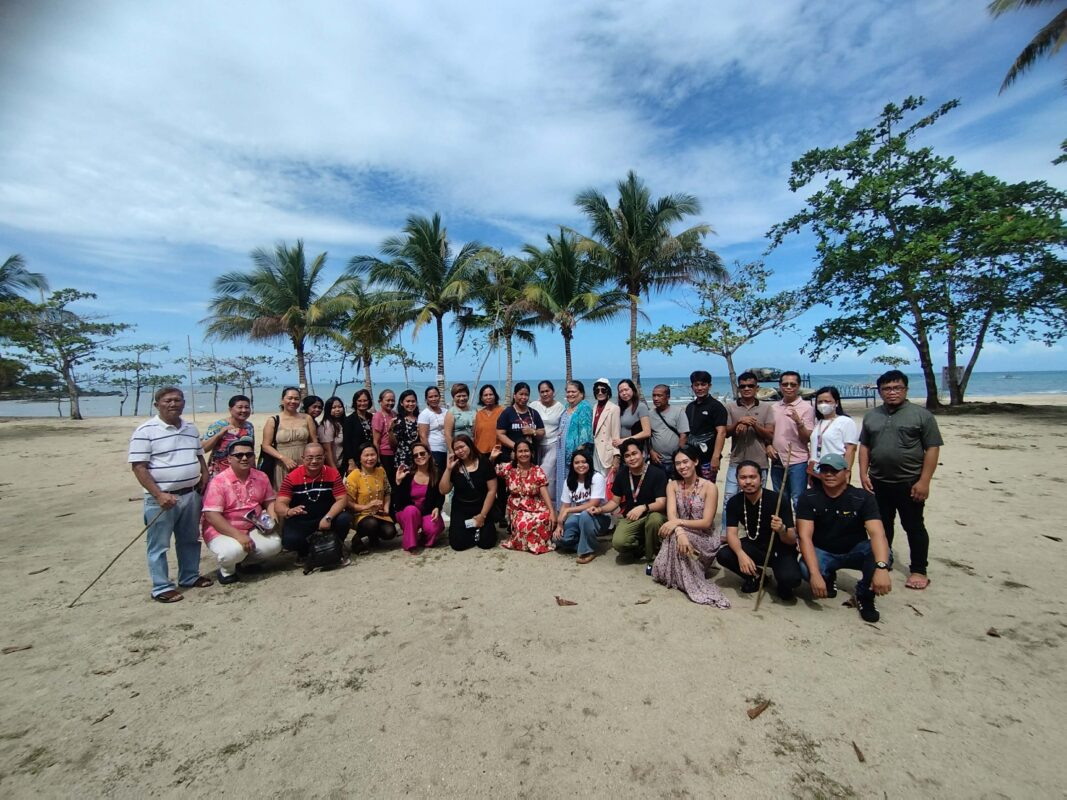
Peer navigation and community engagement are essential components of effective cancer prevention and care, as they help address barriers to awareness, screening, and treatment while strengthening trust and informed health-seeking behaviors within communities. In support of this goal, Cancer Warriors Foundation, Inc. (CWFI), in partnership with Expertise France and UNITAID, and in collaboration with the municipalities of Carles, Estancia, and Lemery, conducted a series of peer navigation trainings with the support of the Department of Health Western Visayas Center for Health Development (DOH WV CHD), the Iloilo Provincial Health Office (PHO), and Western Visayas Medical Center (WVMC).


The training was conducted in two batches at Solina Beach and Nature Resort in Carles under the theme “Building a Supportive Community: Together Against Cancer.” The first batch was held on December 15–17, 2025, with participants from the Municipality of Carles, while the second batch took place on December 18–20, 2025, with participants from the municipalities of Estancia and Lemery. The activity aimed to equip participants with the knowledge, skills, and values needed to serve as peer navigators who can actively support cancer prevention initiatives and strengthen community engagement within their respective localities.

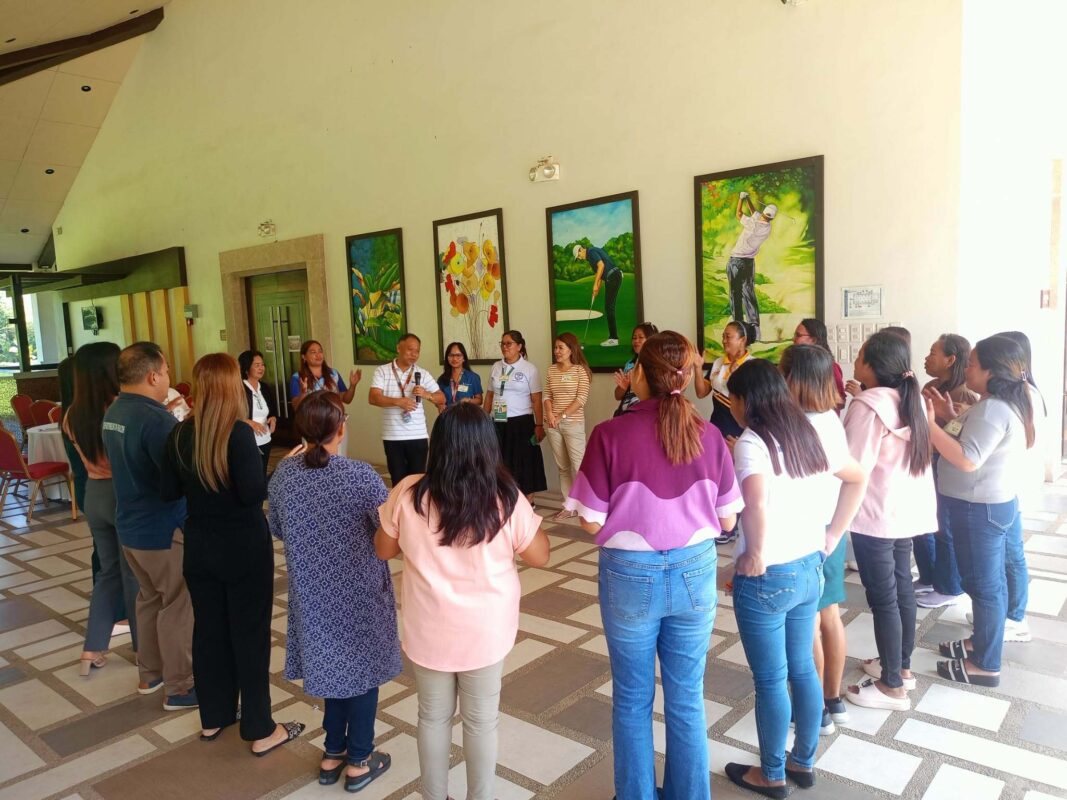
On the first day of the training, activities were designed to foster rapport, build trust, and create a safe and collaborative learning environment. These sessions allowed participants to connect with one another and establish a foundation for open communication throughout the program. A key session was facilitated by learning partner Mrs. Carmen V. Auste, CEO of Cancer Warriors Foundation, Inc., who presented the foundation’s background, history, mission, vision, and core values. Her discussion emphasized the importance of advocacy, community involvement, and collective action in addressing cancer.

This was followed by a discussion on the significance of peer navigators, highlighting the reasons why participants were invited to the training and the vital roles they are expected to fulfill in their communities. Testimonies from cancer survivors further enriched the session by providing personal perspectives on the challenges and realities of navigating cancer. In the afternoon, Dr. Jesus Randy C. Rivera conducted an in-depth discussion through lecture and video presentation on cancer, human papillomavirus (HPV), cervical cancer, and the importance of cervical screening, enhancing participants’ understanding of prevention and early detection.
The second day of the training focused on reflection, empathy, and shared experiences. Participants and CWFI staff gathered by the beach for reflective and survivor-centered activities that provided a safe space for storytelling and emotional connection. During these sessions, participants shared personal experiences of struggle, resilience, and survival, which strengthened bonds and fostered a sense of solidarity within the group.


A significant realization emerged during these activities: many communities lack spaces where individuals can openly share their cancer experiences. In one particularly moving moment, a participant disclosed her personal journey with cancer, revealing a struggle she had carried in silence. This deeply affected the group and underscored the importance of building support systems where individuals facing cancer do not feel alone. Participants expressed gratitude for the opportunity to listen, learn, and understand, recognizing the value of empathy and shared understanding in community-based care.


In the Estancia and Lemery batch, the survivors session was structured to encourage active participation. Cancer survivors were paired with participants without direct experience of cancer, allowing survivors to share their stories while participants processed and interpreted these experiences through creative expression and storytelling. This activity further deepened empathy, strengthened interpersonal connections, and reinforced the importance of compassion in peer navigation.
The remainder of the second day was conducted in the function hall, where discussions centered on the roles and responsibilities of peer navigators. Participants explored how they can provide guidance, emotional support, and practical assistance to individuals and families affected by cancer while serving as trusted links between communities and health services. Emphasis was placed on the power of individual action, advocacy, and informed engagement in encouraging care-seeking behavior and promoting hope. A phrase that resonated strongly with participants during this session was, “The best medicine is hope,” capturing the essence of the program’s message.
Participants also engaged in reflective exercises to identify barriers to cervical screening within their communities. They documented common misconceptions about cancer, reasons why some women are hesitating to undergo screening, and practical strategies for reaching and encouraging these women. These insights provided valuable guidance for developing community-based approaches to increase awareness and screening uptake.


The third day of the training focused on consolidating learning and reinforcing the purpose and impact of the peer navigation program. Participants discussed strategies for protecting women’s health, identifying and reaching women who have not yet accessed cervical screening, and effectively spreading awareness through stakeholder mapping. These sessions strengthened participants’ understanding of their roles and equipped them with practical steps to promote cervical cancer prevention within their municipalities.


The training concluded with a collective reflection on the importance of community engagement and shared responsibility in cancer prevention and care. Participants acknowledged the potential impact of their actions, the significance of their involvement, and the responsibilities they now carry as informed peer navigators. With a deeper understanding of the cervical cancer prevention program being implemented in their communities, participants recognized their capacity to drive change, advocate for women’s health, and serve as true cancer warriors. Through knowledge, compassion, and dedication, they are now empowered to contribute to improved health outcomes and a more supportive, resilient, and hopeful future for their communities.