

Patient Navigators play a vital role in strengthening community-based health services by ensuring that individuals and families can effectively access and utilize available health care services. As Barangay Health Workers (BHWs), Patient Navigators serve as a crucial bridge between patients, their families, and the health care system—particularly for those living in Geographically Isolated and Disadvantaged Areas (GIDA) and Unserved and Underserved Areas (UUA).
In their role as Patient Navigators, BHWs provide guidance, education, and continuous support as patients move through the health care continuum—from health promotion and disease prevention to screening, referral, treatment, and follow-up care. They help address common barriers to care, including lack of information, fear and stigma, financial constraints, and difficulties in navigating health facilities and available health programs, thereby promoting timely and informed health-seeking behavior.
In support of this important role, Cancer Warriors Foundation, Inc. (CWFI), in partnership with Expertise France and UNITAID, and with the support of the Department of Health Western Visayas Center for Health Development (DOH WV CHD), the Iloilo Provincial Health Office (PHO), and Western Visayas Medical Center (WVMC), conducted a 5 days training for Carles Barangay Health Workers with the theme “Patient Navigation: A Person Centered Approach to Better Care.” to strengthen their capacity as Patient Navigators. The training aimed to equip BHWs with the knowledge, skills, and confidence needed to effectively guide patients through the health care system and improve access to quality health services within their communities.
Day 1 highlighted the reason why Barangay Health Workers (BHWs) were invited to the training and emphasized their important role as Patient Navigators in the community. The session underscored how BHWs serve as a vital link between patients and the health care system, particularly in geographically isolated and underserved areas. Dr. Jesus Randy Rivera discussed the basics of cancer, including what it is, how it develops, its causes, common myths and misconceptions, and the stages of cancer, stressing the importance of early detection and timely referral.


Day 2 highlighted the realities faced by people living with cancer, including delays in diagnosis and treatment, unmet needs, and a broad spectrum of challenges. With Mrs. Carmen V. Auste, CEO of Cancer Warriors Foundation, Inc., as the learning partner, discussions were focused on the multidimensional needs of patients—physical, emotional, social, and financial—as well as the significant changes they experience throughout their cancer journey, emphasizing opportunities to strengthen patient-centered support and care.


Day 3 focused on cancer advocacy and awareness, emphasizing that individuals do not need to have cancer to advocate for it. Discussions highlighted that while many programs exist for advocacy, the main barrier is often lack of awareness. Echoing Hon. Charm Ferrer, a public servant and cervical cancer warrior, participants were encouraged to “make cervical cancer a thing of the past.”
The day also highlighted the importance of understanding patients as individuals, not just cases, recognizing their life before diagnosis, and emphasizing that early detection and timely treatment are critical to survivorship.
Additionally, the session introduced the roles of BHWs as Patient Navigators, summarized under the acronym CARES:
- C – Coordinator of Care
- A – Assist in making decisions and resolving problems
- R – Resource linker (referral, pathway connector)
- E – Enabler/Educator
- S – Support to reduce emotional distress


Day 4 focused on the opportunities, support, and resources available to cervical cancer patients during treatment. Peer Navigators from Carles returned and joined the discussion, where Patient Navigators and Peer Navigators shared their learnings and experiences in their respective training on guiding patients through the health care system and providing community-based support. This exchange fostered mutual learning and highlighted practical strategies in patient navigation, health education, emotional support, and effective resource linkage.
The session also featured an exclusive presentation by Dr. Athena T. Lauron, Medical Specialist-III, Benefits Administration Section, PhilHealth RO6, who discussed the PhilHealth benefits available to cancer patients and the procedures for accessing these services. In addition, PSWDO Marice Andrea S. Bedonia, Social Welfare Officer III and AICS Focal, conducted an online session to explain the steps patients must take to avail social welfare assistance, addressing the financial, practical, and emotional challenges faced by patients during treatment.

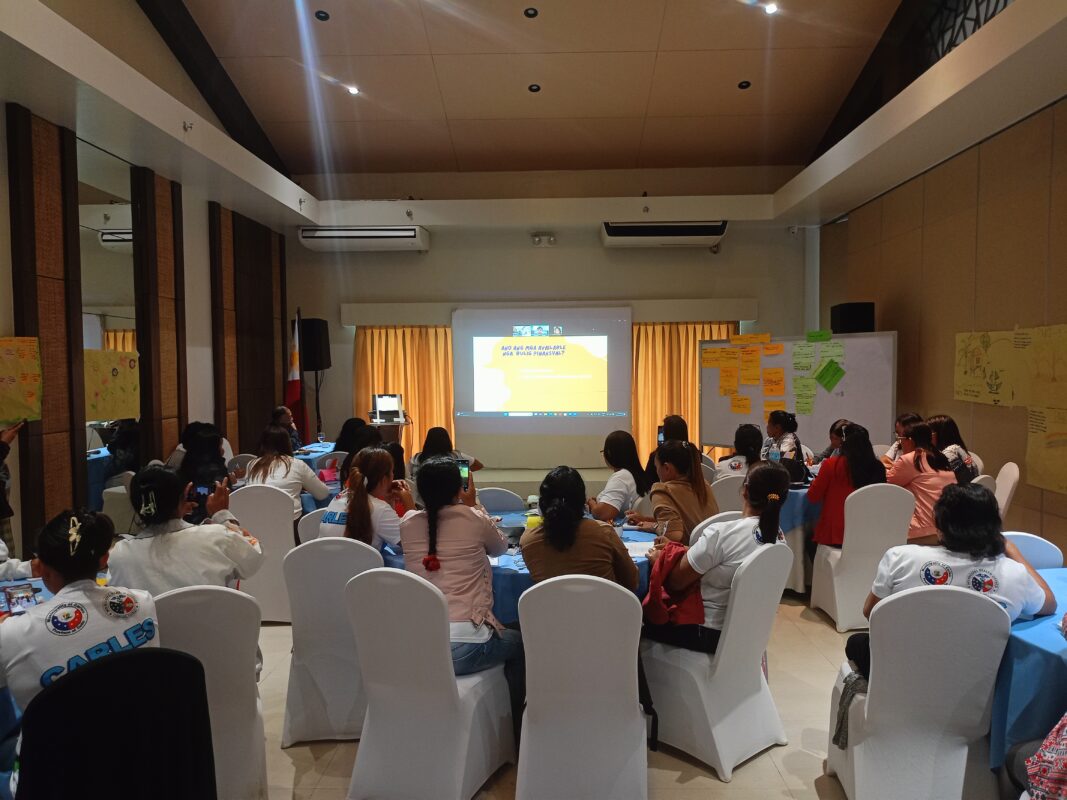
Day 5 focused on summarizing the key lessons from the previous four days, particularly on cancer prevention, survivorship, treatment, and patient education. The session emphasized that choosing hope makes anything possible, and highlighted that the role of Patient Navigators goes far beyond what it may seem. Through their commitment and service, they not only help save lives but also keep hope alive for patients and their families throughout the cancer journey.

This training reinforced the vital role of Patient Navigators in strengthening community-based cancer care, empowering them with knowledge, skills, and compassion to guide patients with hope, dignity, and purpose toward better health outcomes.