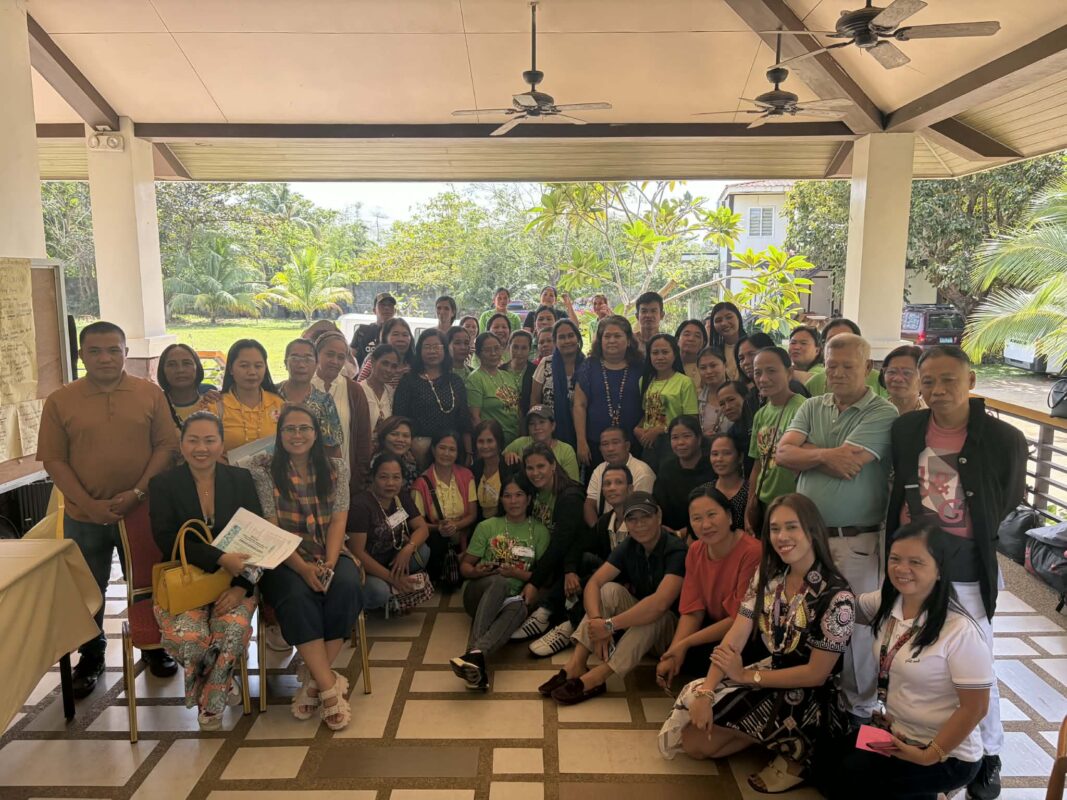
Due to the success of the first batch of Patient Navigation Training, a second batch of Barangay Health Workers (BHWs) underwent training to further strengthen community-based health services, particularly in Geographically Isolated and Disadvantaged Areas (GIDA) and Unserved and Underserved Areas (UUA). The training, titled “Patient Navigation: A Person-Centered Approach to Better Care,” was organized by Cancer Warriors Foundation, Inc. (CWFI) in partnership with Expertise France and UNITAID, with support from the Department of Health Western Visayas Center for Health Development (DOH WV CHD), the Iloilo Provincial Health Office (PHO), and Western Visayas Medical Center (WVMC). Participants included BHWs from Estancia and Lemery, who were equipped with the knowledge and skills necessary to guide patients through the health care continuum and improve access to quality health services.
Day 1 focused on introducing participants to their role as Patient Navigators in the SUCCESS-FAP Program. The day began with icebreaker activities to foster collaboration, followed by an orientation on responsibilities and ethical practices, particularly during HPV DNA screening. Interactive workshops enhanced communication skills and emphasized a person-centered approach. A highlight of the day was a video lecture by Dr. Jesus Randy Rivera, which explained Human Papillomavirus (HPV)—its nature, transmission, development, and common misconceptions—before transitioning to cervical cancer, its link to persistent HPV infection, disease stages, and the importance of early detection and timely referral.

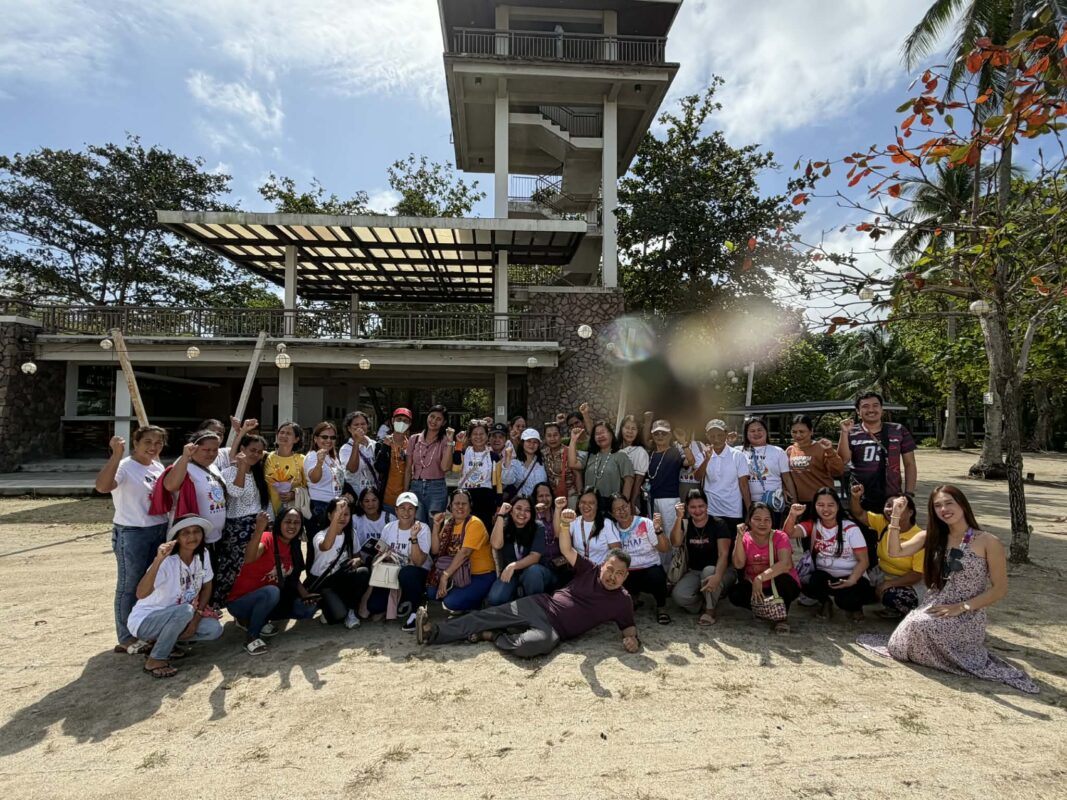
Day 2 began with an outdoor activity by the beach, where participants paired up to share personal experiences with cancer, either as patients or through relatives, friends, or neighbors. Participants reflected on these stories and represented them visually by drawing symbols in the sand, which were then explained to the group. This activity fostered empathy and a deeper understanding of the emotional and social impact of cancer. The session continued at the function hall with Carmen V. Auste, CEO of CWFI, as the Learning Partner who discussed the cancer patient journey, the challenges faced by patients and their families, and the importance of two-way communication and relationship-building in patient navigation.


Day 3 introduced participants to the “Pangunahing Gabay ng BHW Ukol sa Cervical Cancer at HPV” (Primary Guide for Barangay Health Workers on Cervical Cancer and HPV). The day emphasized the roles of Patient Navigators through the CARES framework: Coordinator of Care, Assist in decision-making, Resource linker, Enabler/Educator, and Support to reduce emotional distress. Interactive workshops allowed participants to apply the framework in practical scenarios and reinforce their responsibilities.

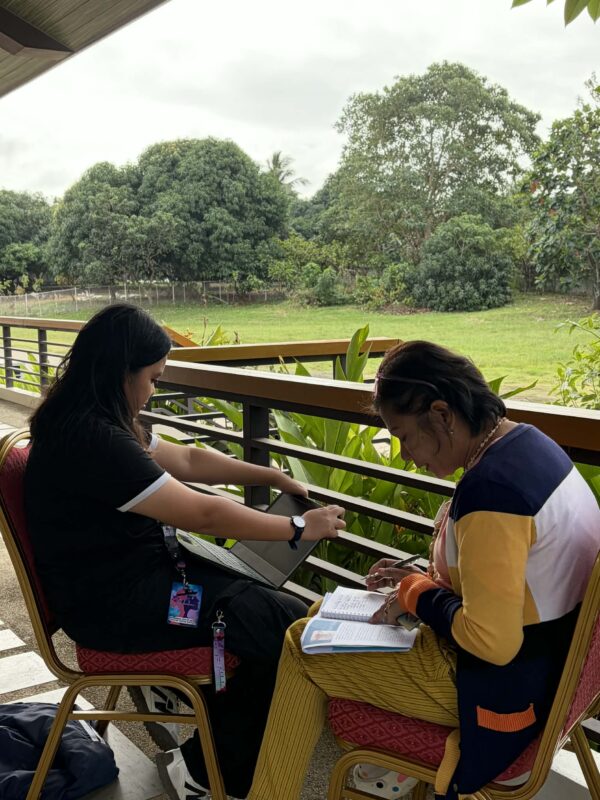

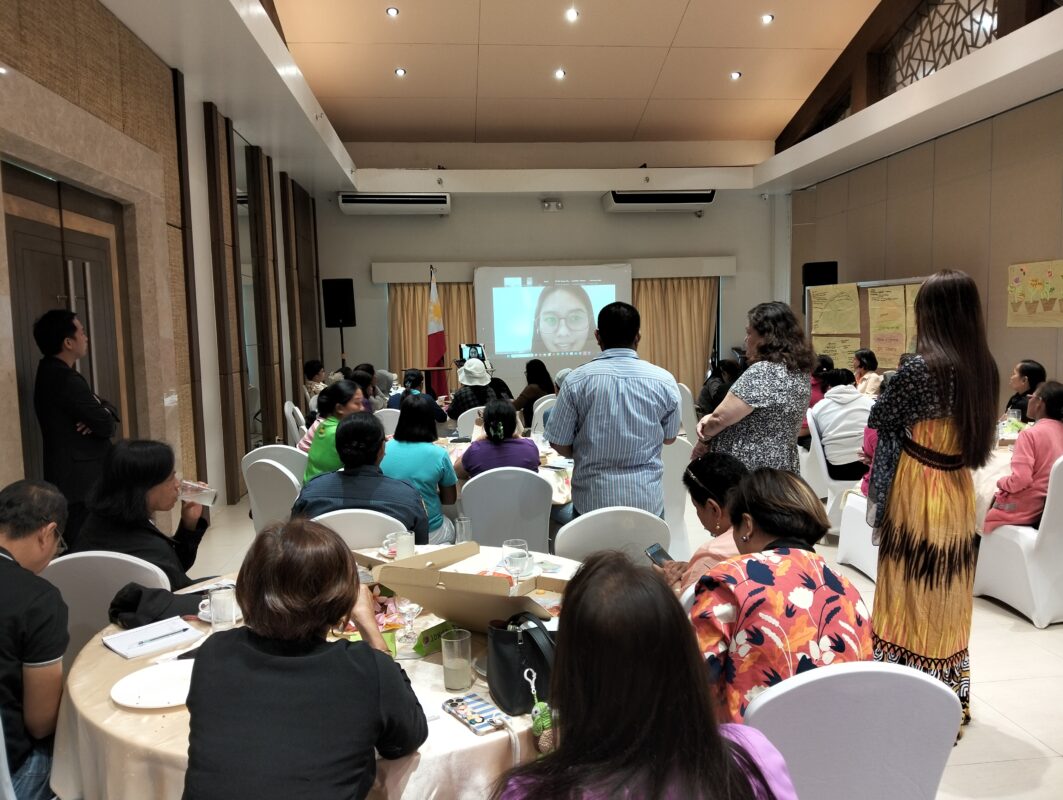
Day 4 continued the review of the guide and focused on addressing facts and myths about cervical cancer. Peer Navigators from Estancia and Lemery returned to explore the opportunities, support systems, and resources available to patients during treatment. Sessions included an online discussion by Ms. Marice Andrea S. Bedonia, Social Welfare Officer III and AICS Focal from PSWDO, on accessing social welfare assistance, and a presentation from a PCSO representative on available patient support mechanisms. Dr. Athena T. Lauron, Medical Specialist – III, PhilHealth Region VI, together with Ms. Chloe S. Del Castillo, OIC-LHIO, Sara, explained PhilHealth benefits and procedures for cancer patients. Representatives from the Iloilo PHO were also present, including Dr. Rodney Labis, who served as moderator of the session, reinforcing inter-agency collaboration.


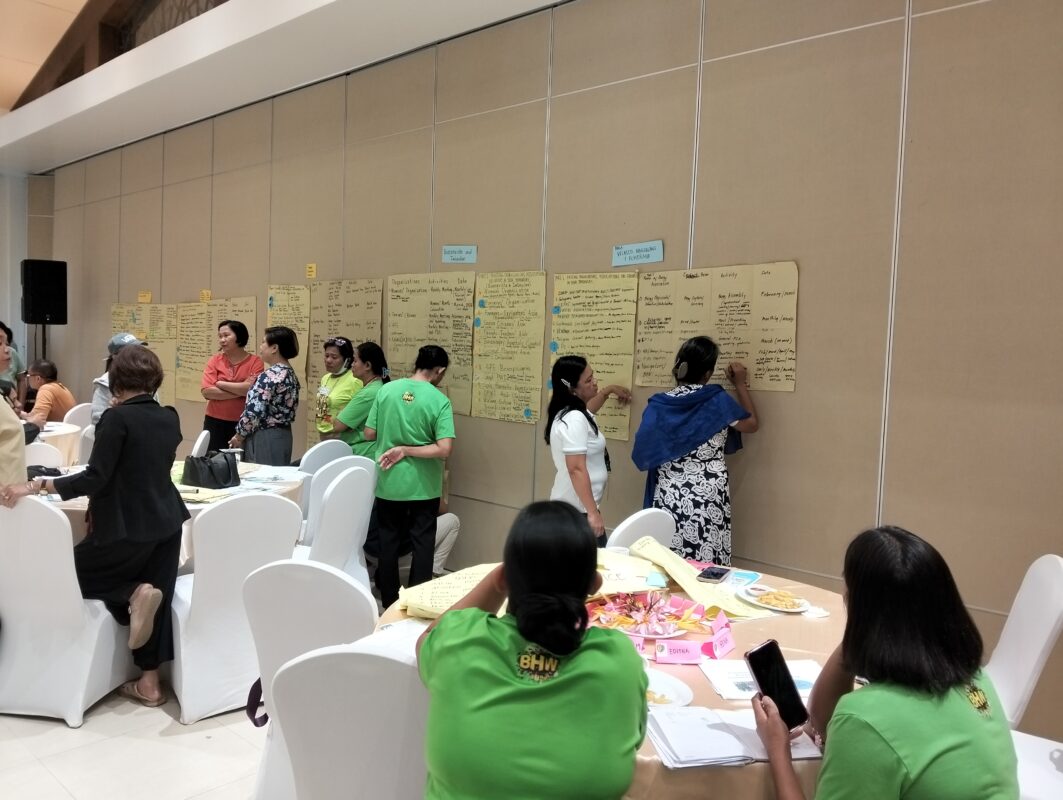
Day 5 emphasized reflection, collaboration, and application of learnings. Patient Navigators and Peer Navigators shared experiences, highlighting practical strategies in patient navigation, health education, emotional support, and resource linkage. The day also included stakeholders mapping, where participants identified key partners and discussed concrete actions to raise community awareness of the program. Special focus was placed on reaching women aged 30–49 years through targeted information dissemination, community engagement, and collaboration with local leaders to ensure broader access to cervical cancer screening and support services.